
Dangerous Driving Behaviors of Teens

If you have a teen in your life, you know that, as they are on the cusp of full-blown adulthood, their actions can run a wide range from devastatingly immature to wise beyond their years. The fluctuation in choices that teens are notorious for can make even the most laid-back parent or loved one fear for their teen’s well-being on the road. It is true that there are a number of dangerous driving behaviors associated with teens. These behaviors can lead to serious crashes, some fatal. To help us all stay safer on the roads, let’s take a look at some of the dangerous driving behaviors of teens and what can be done about them.

Dangerous Driving Behaviors of Teens

It may be no surprise to anyone, but one of the most dangerous and most common driving behaviors of teens is texting while driving. Texting takes a person’s attention and vision off of the road which can be an extremely dangerous combination. Despite texting while driving being a violation of the law in many states, the dangerous driving behavior persists, especially among the teen demographic. Teen drivers, put down your phone when you are driving. This could help you and everyone riding with you in your vehicle arrive safely at your destination.

It is a sad truth that teen passengers who feel unsafe in a vehicle with a driver who is not alert, such as one texting while driving, may not speak up about feeling unsafe. In fact, a significant portion of teens even feels unsafe riding with a parent behind the wheel. Teens, use your voice. If you are unsafe, let the driver know what they are doing to cause your unease. If you know one of your friends is not a trustworthy driver, do not get in the vehicle. It is not worth the tragic consequences that could occur.

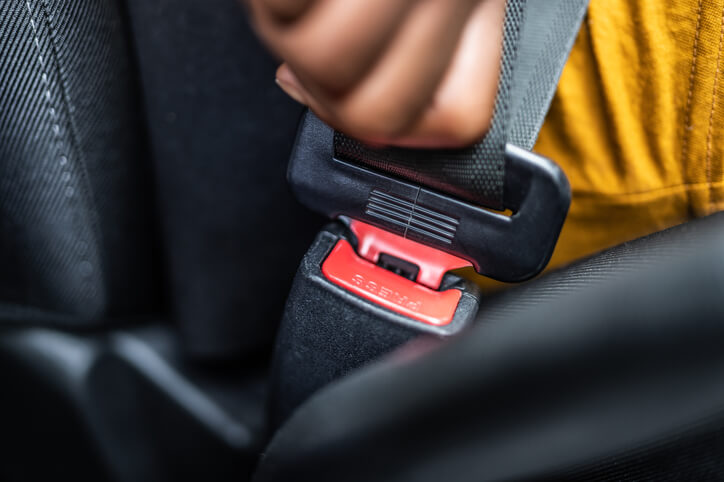
To make matters worse, teen drivers frequently skip the use of seat belts. The importance of seatbelts really cannot be understated. Seatbelts are simply devices that cause minimal inconvenience at worst and will save a life at best. Teens, take a moment to properly fasten your seatbelt and make sure all of your passengers have done the same before heading out on the road.

Teens are also prone to packing in the passengers. Unfortunately, more passengers mean more distractions for the teen driver. There are more people to talk to and more people to look at. There are more excuses for taking eyes and focusing off of the road. All of this will increase the likelihood of a crash occurring. So, keep the passengers at a minimum. When you have passengers, speak up if they are being too distracting.

Speeding, driving under the influence of alcohol, and driving at night are also dangerous driving behaviors commonly engaged in by teens and are also leading causes of accidents for teen drivers. Follow posted speed limits. Never drink and drive. If you can avoid driving at night, do so. At the end of the day, it is just not worth the risk.

Philadelphia Personal Injury Attorneys

At Cooper, Schall & Levy, our attorneys have handled tragic cases with teen drivers involved. We want you and your loved ones of any age to stay safe out there on the road. Should anyone ever be injured in a motor vehicle accident, we are here for you in your time of need. Contact us today.

Pedestrian Safety Tips

Walking is the oldest form of transportation! In the midst of rising gas prices, lack of exercise, and minimal time out in the fresh air, walking comes with many benefits. Pedestrians, however, must remain vigilant out there. When you are a pedestrian, there are no airbags. There is no strong metal structure surrounding you like there is in a car. Should you be hit by a vehicle, there is a high risk that you will sustain a serious injury that could even prove fatal. So, pedestrians, stay safe out there. Here are some tips on how to do just that.

Pedestrian Safety Tips

As a pedestrian, visibility is an asset you cannot afford to do without. You are already much smaller than so many other things drivers have to pay attention to. You are less visible than other vehicles, motorcycles, bicycles, and most inanimate objects a driver will be trying to pay attention to. Making yourself as visible as possible to the driver will help you stay safe. This means you should do things such as cross in well-marked crosswalks. In recent years, many crosswalks have added flashing lights in a further attempt to bring driver awareness to a crossing pedestrian.

Furthermore, pedestrians should consider wearing bright clothing. This is especially important if you are walking at night. While walking at night is one of the most dangerous times to be a pedestrian due to low visibility, among other factors, bright clothing can help reduce some of the danger involved. Reflective clothing may be even better at increasing visibility. Furthermore, pedestrians should never make the assumption that a vehicle sees them. Remaining cautious, even in crosswalks, could save your life or save you from serious injury. 

Pedestrians should also remain attentive to their surroundings. It can be so easy to get distracted. Our phones alone draw us into our own world with our heads down and our attention elsewhere. In the meantime, we are unaware of what is going on around us and this is dangerous. When pedestrians are not paying attention, the risk of injury exponentially increases. Hazards on the sidewalk are not minded. Oncoming vehicles are not anticipated. Other pedestrians and bike riders zoom by perilously close. Pedestrians, remain aware of your surroundings. It is one of the best ways for you to stay as safe as possible out there.

Philadelphia Personal Injury Attorneys

With Philadelphia being such a big city, we have our fair share of pedestrians. Stay safe out there in the hustle and bustle of city life. Being vigilant and remaining aware of your surroundings are some of the surest bets to staying safe as a pedestrian. If you have been involved in a pedestrian accident, it is likely that you have sustained serious injuries. Let the team of trusted personal injury attorneys at Cooper, Schall & Levy take on the legal burden for you so you can focus on recovering your health. We fight the big insurance companies to get you the monetary compensation you deserve. Contact us today.

U Drive. U Text. U Pay. NHTSA’s Campaign Against Distracted Driving

Pennsylvania’s distracted driving law prohibits any driver from using a phone or other device to send, read, or write a text-based communication while his or her vehicle is in motion. It is a primary offense which means that law enforcement can pull someone over if there is a reasonable suspicion that the driver has been texting while driving. Other states list texting and driving as a secondary offense meaning they can only be ticketed for the offense if pulled over for a different traffic violation. There is a $50 fine, plus court costs and other fees, imposed in Pennsylvania for those convicted of distracted driving.

Despite 48 states, Washington D.C., Puerto Rico, Guam, and the U.S. Virgin Islands all passing legislation that makes it illegal to text while driving, the problem persists. People are dying or suffering serious injury as a result. We seem entangled in our phones at a level that we cannot somehow unravel ourselves from their hold on us. The National Highway Traffic Safety Administration (NHTSA), however, has not given up. It has launched the U Drive. U Text. U Pay. Campaign in an effort to combat the persistent threat posed by texting while driving.

U Drive. U Text. U Pay. NHTSA’s Campaign Against Distracted Driving

According to the NHTSA, it is estimated that over 26,000 people died in crashes involving distracted drivers from 2012 to 2019. In 2019 alone, there were 4,142 fatalities in distracted driver crashes. That means that 9% of the fatal crashes in 2019 involved distracted drivers.

Distracted driving can actually mean a variety of things, although texting has come to be the most notorious form it takes. Distracted driving can be anything that takes your attention away from the road and the task of driving. Talking, eating, applying makeup, maneuvering your navigation system, or even changing your radio station can all be seen as engaging in distracted driving. Texting while driving has been singled out as a particularly dangerous form of distracted driving due to the fact that it can take a driver’s eyes away from the road for such a significant amount of time, it takes the drivers mental attention and focus away from driving, and it is a habit that so many Americans seem unable to break.

While drivers from 16 to 24 years of age seem to be more likely to be distracted by electronic devices while driving, it seems as though many more of us are at risk of falling into this dangerous driving behavior and we are putting ourselves and others in danger on the roads as a result. To help combat the dangers of distracted driving, the NHTSA recommends some different safety tips. For instance, it is recommended that if a text needs your immediate attention, either to read or to send, then you should first pull over to a safe location and park your vehicle. Alternatively, you could have a passenger act as your “designated texter” and be tasked with handling all of your texting needs while you are driving. Should none of these arrangements work for you and you find yourself unable to resist the urge to look at your phone while driving, consider keeping your phone in your trunk for the ride.

Philadelphia Personal Injury Attorneys

Have you been injured by a distracted driver? Do not hesitate to get in touch with the trusted personal injury attorneys at Cooper, Schall & Levy. Contact us today.

Winter Road Accidents

Well, Pennsylvania, our winter season remains in full swing. Those of us who grew up here are more than familiar with how treacherous the roads can get this time of year. The ice, snow, and sleet make visibility difficult and wheel traction difficult to come by. The influx of holiday traffic can add to the hazards, especially when you consider how many visitors to the state may not be as familiar with icy winter driving as our residents usually are. Regardless of whether you have lived in Pennsylvania your whole life, are a newer transplant in the state, or will be coming for a family holiday here this winter, being aware and prepared for the dangers of winter driving that can lead to devastating accidents can help keep you and everyone else safe this winter season.

Winter Road Accidents

With ice and sleet commonly in the winter forecast, it is important to be aware of just how much your visibility on the road can be impaired by these conditions. Snow can stick to your windshield and make it difficult to see your surroundings as well. To help, always check to see that your wipers are in good condition and are fully operational. The defogger in your car should also be checked for functionality as should your headlights. This is all safety equipment that can help you see your surroundings and increase your own visibility to other cars out on the winter roads.

Icy and slippery roads are also a common occurrence in the wintertime. Snow tires and tire chains can help increase traction on these types of roads so prepare your vehicle tires accordingly. Should your car lose traction, you may end up hydroplaning. This can be extremely scary, but it is also important to keep a cool head about you. We know, easier said than done. That being said, staying calm and reacting accordingly can prevent things like your vehicle from rolling over. If you begin to hydroplane, turn into it as opposed to away from it. Do not slam down on your brakes right away. This is especially important if you do not have anti-lock brakes on your vehicle because it could cause your brakes to lock up. Once the vehicle is slowing down a bit, you may pump your brakes.

With hazardous road conditions on the horizon for the winter months, be mindful that one of the best things you can do is to avoid driving if inclement weather is in the forecast. Should driving be unavailable, plan out your route before you leave. Let someone know about what route you are taking so that they know where to look should you be stranded for any reason. You should also keep your gas tank full and your cell phone fully charged as well as keeping a winter emergency kit in your car.

Philadelphia Personal Injury Attorneys

Philadelphia, stay vigilant and stay safe on the roads this winter. Should you be injured in a winter car accident, the personal injury team at Cooper, Schall & Levy is here to assist. Contact us today.

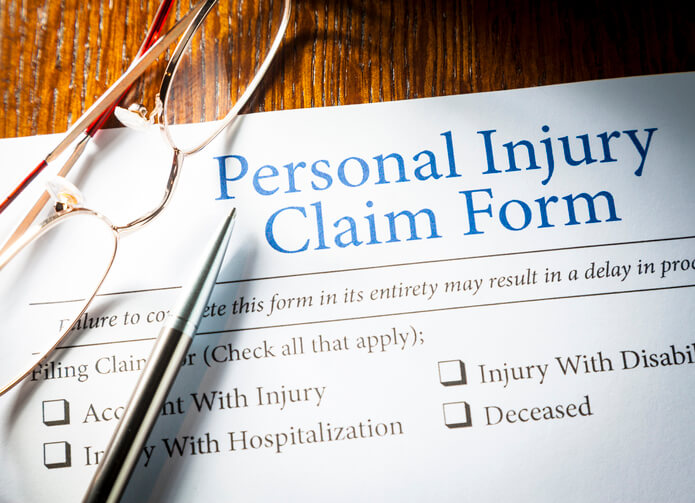
Personal injury claim form

What’s a Good Settlement Offer for my Claim?

Being eager to settle your personal injury claim is only natural. After all, it can feel like a long process. After the accident, you will have doctor’s appointments, follow-up appointments, and much more. You are likely ready to get things wrapped up and move on with your life. Insurance companies, however, are aware that most claimants feel this way and are thus quick to offer lower settlement offers in the hopes that you will jump at the chance to resolve your claim and move on. So, what would an actual good settlement offer for your claim look like? We will explore this question in more detail here.

What’s a Good Settlement Offer for my Claim?

A good settlement offer for your claim will depend on a variety of factors. No personal injury claim is going to look exactly the same and a settlement offer is completely dependent on the details of the claim itself. First, it can be instructive to go over what type of damages are included in a personal injury claim settlement offer. Damages in a personal injury claim will include economic and non-economic damages. Economic damages include those more easily quantifiable damages such as medical bills, cost of future medical care, lost wages, and loss of earning capacity. Non-economic damages are those damages that are much more difficult to put a number on. Pain and suffering damages, for instance, are classified as non-economic damages.

So, a good settlement offer will take into consideration the amount of medical bills and expenses you have incurred as a result of the accident injuries. The amount of medical bills you have totaled up over the course of your treatment will largely depend on the nature and extent of your injuries along with the level of treatment you have received for those injuries. Your injuries and the treatment needed to address your injuries may have also resulted in you missing work and incurring lost wages as a result. The amount of wages you missed out on due to your injuries should be included in a settlement offer. Furthermore, if your injuries have impacted your future earning potential, such as by placing limits on your ability to advance in your job, then the settlement offer should also account for your loss of earning capacity.

Your attorney will likely set forth solid estimations of these damages, among other things, in the demand letter sent to the insurance claims adjuster. A demand letter lays forth the nature of the accident, the resulting injuries, the damages incurred as a result, and a proposed settlement amount. Upon receipt of the demand letter, the insurance company will do one of three things. The proposed settlement amount may be accepted, the claim as a whole may be completely denied, or, in the most common situation, the insurance company will counter with their own settlement offer and negotiations will kick-off.

Philadelphia Personal Injury Attorneys

If you have been injured in an accident, do not hesitate to reach out to the trusted team of personal injury attorneys at Cooper Schall & Levy. We are here to help make sure you are properly compensated for your losses. Contact us today.

Injured woman on the phone and computer

The Impact of Treatment Gaps on Your Personal Injury Claim

Insurance companies will not simply payout on a claim you make after an accident on your word alone. Quite the opposite. Insurance companies will require thorough documentation regarding the accident, your injuries, and your expenses incurred as a result of the accident. A huge part of this supporting documentation will include your medical records showing your course of treatment for your accident injuries. You see, getting consistent treatment for your injuries following an accident is not only best for your injuries to properly heal, but it is also essential for preserving the value of your personal injury claim. Failure to get consistent medical treatment can be a great risk to your health, as well as the strength of your personal injury claim.

The Impact of Treatment Gaps on Your Personal Injury Claim

A treatment gap, or a lapse in you receiving medical treatment for your accident injuries, can occur in two instances. First, a treatment gap may refer to the delay it took in you to seek medical evaluation and care following an accident. Second, a treatment gap may refer to a lapse of inconsistent treatment for your accident injuries once you had already started treatment. In either instance, a treatment gap can threaten your personal injury claim.

You see, medical records really are essential to the strength of an injury claim. In the eyes of the insurance company, if you are hurt in an accident, then you seek immediate medical evaluation. If you are hurt in an accident, then you receive consistent, uninterrupted treatment for your injuries. Any gap will likely be used by an insurance adjuster to justify devaluing your claim. Adjusters, after all, will be looking for reasons to pay you less than you should actually be owed or to not pay you at all.

In the real world, however, we know that there are plenty of legitimate reasons a person may have a gap in medical treatment following an accident, even if they are suffering from accident injuries. Life goes on after an accident and there can be a bombardment of scheduling conflicts that get in the way of doctor appointments. You may also get sick and be unable to make your appointments. There are a number of perfectly acceptable reasons for a treatment gap, but you should still try your best to avoid them as best as possible.

To minimize the impact of treatment gaps, and strengthen your claim even in the absence of treatment gaps, you should keep a journal following the accident. In your journal, keep track of your medical appointments. Report on the pain you are experiencing. Document your symptoms and how they evolve over the course of treatment and following the accident.

It is worth stating again, however, that it is extremely important for your health and your personal injury claim to avoid treatment gaps whenever possible. The health-related fallout from accident injuries can be severe and continuous treatment will help minimize this impact. Comply with doctor-recommended treatment and follow-up treatment orders. Your health and well-being are too important not to.

Philadelphia Personal Injury Attorneys

At Cooper Schall & Levy, our team is dedicated to fighting for the injured. Hurt in an accident? Contact us today.

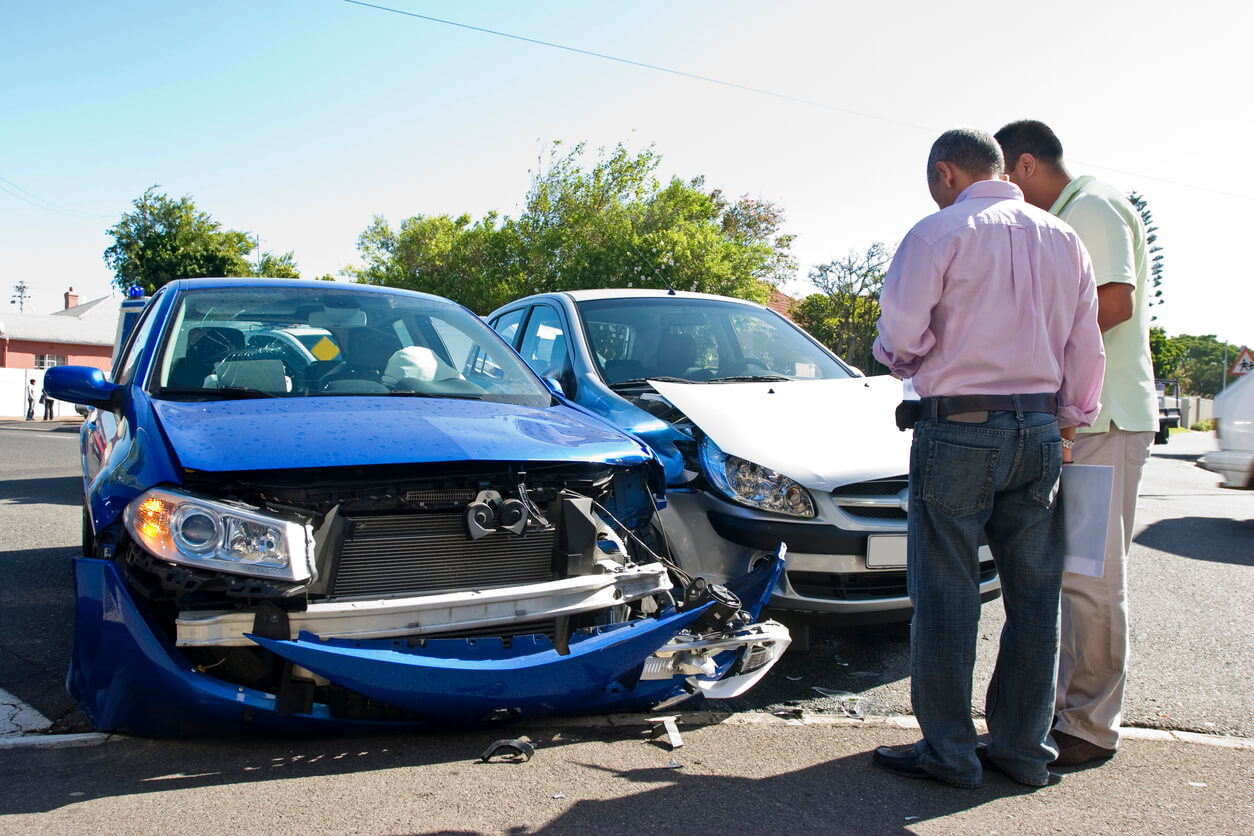
Two drivers surveying a car accident

Preparing to be Deposed in Your Personal Injury Case

A personal injury claim is most often resolved through settlement negotiations with the insurance company of the at-fault party. The insurance company is provided with a demand letter outlining the claimant’s damages, such as the injuries, medical bills, lost wages, and other harm incurred due to the accident, and is provided with an offer amount that would properly compensate the victim. Settlement negotiations often ensue after the insurance company declines the initial settlement offer included in the demand letter and, usually, a mutually acceptable settlement amount is reached afterwards. Sometimes, however, no reasonable settlement offer can be reached with an insurance company. The company will refuse to pay out on an amount the claimant supports as fair with evidence such as medical records and bills. When this happens, a lawsuit may be filed and trial preparation will proceed as discovery begins.

The discovery process is the fact-finding period before trial. Both sides will have a number of different opportunities to gather as much information about the case as possible. One prominent part of discovery includes depositions. As the plaintiff, the injured party in the lawsuit, you will be deposed by opposing counsel. This can be an intimidating prospect, despite assurances that your attorney will be by your side throughout the deposition. To help relieve any lingering anxieties and help ensure that your deposition is as smooth and productive as possible, here are some tips on how to prepare for it.

Preparing to be Deposed in Your Personal Injury Case

At your deposition, you will likely be questioned extensively on the accident. There will be a line of questioning relating to the actual events and circumstances surrounding the accident. There will be a line of questioning relating to your injuries and medical treatment relating to those injuries. There will be seemingly endless questions about how the accident and resulting injuries have impacted your life. You should be prepared to answer all of these questions and do so in a way that is concise and direct. Only answer the question posed to you and avoid wandering off onto tangential topics.

Before the deposition, get yourself in the right headspace. How you present yourself at the deposition can actually have a big impact on the outcome of the case. This is in no small part due to the fact that opposing counsel will be sizing you up for how effective you would be as a witness at trial. Those plaintiffs that are polite and cooperative tend to be more reliable witnesses and more sympathetic. This, in turn, means that they are likely to be more successful at trial and be awarded larger damage awards. Counsel for insurance companies knows this. In fact, you may be offered a settlement offer in the wake of a successful deposition that negates the need to proceed with the trial.

In line with having the right attitude for the deposition, be prepared to dress for the occasion. Remember, how you present yourself at the deposition is important and your dress contributes to this. Wear neat and even professional attire. Business casual attire at a minimum is a good rule of thumb.

Philadelphia Personal Injury Attorneys

The dedicated personal injury team at Cooper Schall & Levy will prepare you for the road ahead. We will be by your side every step of the way as we fight for your right to be properly compensated for the harm you have suffered. Contact us today.


Disabled man calculating with the money

How Do You Show Loss of Income?

When you are injured in an accident, the harm you suffer can be severe. There are far-reaching impacts of being injured in an accident that you might not consider at first or before you have lived this situation for yourself. Harm resulting from an accident, of course, often focuses on the physical, and even mental, injuries, a person sustained. With these injuries, however, can come significant financial implications for the injury victim and his or her family. Consider the medical bills that pile up so a victim can get needed treatment. There are also, however, likely to be other financial impacts caused due to accident injuries. It is common, for instance, for an injury victim to miss work following an accident. Loss of income, or lost wages, can and should be included in a claim for damages stemming from an accident.

How Do You Show Loss of Income?

Loss of income is included under the umbrella category of economic, compensatory damages. Compensatory damages are those damages intended to set the injury victim whole after an accident. They aim to repay the losses the victim incurred. Economic damages are those damages that are fairly easy to calculate as they can be based on numbers found in things such as pay stubs, etc.

With the loss of income, for instance, a personal injury claimant can support such a claim in damages by using evidence in the form of timesheets and pay stubs, as well as W-2 and other tax forms showing how much he or she receives in wages over a period of time and how much time was missed due to the accident. For a person who is self-employed, loss of income can be supported through proof of missed opportunities that passed by in the wake of an accident.

It should be noted that missed days of work do not have to be consecutive to be compensable in your personal injury claim. While you may miss a series of consecutive working days immediately following an accident in order to get immediate medical treatment and recuperate, you are likely to go on to miss even more days of work over the course of your treatment and recovery. There will be follow-up doctor appointments, appointments for lab tests, and procedures to address your injuries followed by more recovery time that are likely to be in your future. This can all result in more missed work. 

The loss of wages resulting from accident injuries can be keenly felt during this time. It is common for accident victims to be thrown into financial distress after an accident. This is usually the result of medical expenses and missed work. Know that all of these expenses are compensable. In fact, accident victims who have suffered an injury in an accident caused by the negligence of someone else are legally entitled to compensation for the harm suffered as a result of the accident.

Philadelphia Personal Injury Attorneys

The dedicated team at Cooper Schall & Levy is here to fight for you. We know what clients are up against and provide zealous representation to pursue their best interests and their right to full and fair monetary compensation. Contact us today.


injury victim filling out personal injury claim

Can You Sue for Pain and Suffering in Pennsylvania?

When you suffer injury in an accident caused by the negligence of someone else, you can pursue compensation for the harm you have incurred through a personal injury claim. Your damages refer to those compensable harms you suffered in the accident. Compensatory damages are divided into two main categories: economic and non-economic. Economic damages refer to those more easily quantifiable impacts of an accident. These specific economic harms include medical expenses, the cost of future medical care, lost wages, and much more. Non-economic damages are those losses that are just as real, but are intangible and more difficult to quantify. In Pennsylvania, non-economic loss include pain and suffering. Can you sue for pain and suffering in Pennsylvania?

Pain and Suffering in Pennsylvania

When you are injured in an accident, the harm you experience can run much deeper than your medical bills. There is the pain of going through an accident, the pain of your injuries, the pain and stress that can be involved in treatment of your injuries, and the impacts your injuries can have on your life. Perhaps you have had to give up certain things that used to bring you so much joy. Maybe some of your relationships have suffered as a result of your accident injuries. These are things that are included in pain and suffering damages. Other damages that fall under the pain and suffering umbrella include:

  • Pain in the body
  • Emotional trauma
  • Reduction in life expectancy
  • Loss of consortium
  • Loss of enjoyment of life
  • Humiliation

Just as with economic damages, for pain and suffering and other non-economic damages to be awarded the injury victim must be able to show that the pain and suffering was a direct result of the accident.

While you may be entitled to pain and suffering damages in a Pennsylvania personal injury action, you should be aware that these damages are notoriously difficult to calculate. The subjective nature of pain and suffering alone can be a seemingly insurmountable complication. Everyone experiences pain differently, right? The same injury will likely have different impacts depending on the person who sustains it, afterall. This is why evidence of your injuries and the effects your injuries have had on you and your life are critical to building your case for pain and suffering damages. Medical testimony will help as will testimony from friends, family, and loved ones about how your injuries have impacted your life and your relationships. Other factors such as your age, injuries, and the type of treatment you received will also be taken into account.

Though you may be able to pursue pain and suffering damages in Pennsylvania, you should be aware of potential limitations, such as recovery in your case. For a policyholder who has elected to carry “limited tort” coverage, he or she will need to show serious injury under Pennsylvania law in order to recover pain and suffering damages. Furthermore, while Pennsylvania may not limit the amount of compensatory damages available in a personal injury case against a private party, there are limits in place when the claim is against a government body. For instance, a claim against the Commonwealth is limited to a recovery of $250,000.

Philadelphia Personal Injury Attorneys

For all that you have suffered as a result of an accident, Cooper, Schall & Levy is here to get you the compensation you deserve. Contact us today.

attorney meeting with personal injury client

Why Do I Need a Personal Injury Attorney?

The typical insurance company advertisement, which demonstrates care, comfort and support after a tragic accident, is misleading and can make the reality of dealing with insurance companies after you have been injured in an accident jarring, frustrating, and disappointing. After years of paying your premiums, people can often be incredulous at the response they get from their insurance companies after they try to access the benefits they have so diligently paid for. Dealing with the insurance company for the party responsible for causing an accident can be even more frustrating. These large business institutions will work tirelessly to undermine your claim and find a way out of compensating you properly. That is why you should have a personal injury attorney who will fight back.

Why Do I Need a Personal Injury Attorney?

As insurance companies are, at their cores, businesses driven by profit, it may be disappointing, but it might not be as shocking to find that they will look for any way to avoid paying out in whole or part on a claim filed after an accident resulting in injuries. It is a harsh reality that many insurance companies will not take unrepresented claimants seriously. In fact, insurance companies will try to rush a person into taking some low-ball settlement offer before legal counsel can be secured. They do this because they know an attorney can be best equipped to approximate what damages you are entitled to as well as working towards enforcing your right to said damages.

A personal injury attorney can work to estimate what a fair settlement amount may look like. This will be based on things such as your injuries, medical bills, the approximate future cost of medical care, and much more. If an insurance company makes a settlement offer, an attorney can counsel you on whether it is a strong offer or not.

Furthermore, an attorney can present the strongest facts of your case and advocate on your behalf, whether dealing with the insurance company directly or one of the attorneys they have hired. Is the insurance company basing denial of your claim on things like pre-existing medical conditions or questions as to liability? Your attorney can help gather the evidence needed to dispel such uncertainties and present your case in the strongest light possible.

Do not underestimate the fact that having an attorney by your side demonstrates to the insurance company that you are willing to go the distance with your claim. You are making a statement that you know your claim has value and you are willing to pursue it all the way to trial, if necessary. The threat of litigation looming over a claim can be powerfully persuasive to keep an insurance company on the straight and narrow and push them to make more solid settlement offers. A trial can be time-consuming and expensive to these companies, so they have more motivation to do the right thing and pay out your claim.

Philadelphia Personal Injury Attorneys

At Cooper Schall & Levy, we are here for you. We are here to hold the big insurance companies accountable. We are here to get you the monetary compensation you deserve for the harm you have suffered. Do not go it alone. Contact us today.