
Close up of elderly woman's hand on a walker

Can a Personal Injury Settlement Affect Social Security Disability?

Severe accidents in Philadelphia can have lifelong effects, including leaving people unable to work. Social Security disability benefits can help people pay their bills after an accident, but what happens if someone injured in an accident wins a personal injury settlement? Can people who get a settlement retain their Social Security benefits?

At Cooper, Schall & Levy, we understand your need for answers to these critical questions. We have over 60 years of legal experience and have a deep understanding of both personal injury law and Social Security disability regulations and requirements. We can answer your questions and provide the clarity you need to take care of yourself. This blog explains everything you need to know about how a personal injury settlement affects your Social Security disability benefits.

Social Security Benefits Explained

There are three main types of Social Security benefits. In addition to retirement benefits, the Social Security Administration (SSA) provides two main types of benefits to people with disabilities or severe financial needs. Those two benefits are:

Social Security Disability Insurance (SSDI) – When people talk about Social Security disability, this is typically the program they mean. The SSDI program provides financial aid for workers with long-term or terminal injuries, provided the injured worker meets certain criteria. First, the injured worker must meet the SSA’s definition of disability. Second, the injured worker must have earned enough work credits to qualify by paying Social Security taxes on their income. What’s important to know about SSDI is that the program is not a needs-based benefit. If you qualify, you’ll get benefits, regardless of the amount of your income.

Supplemental Security Income (SSI) – The SSI program provides financial aid to people with disabilities or older adults with few or no financial resources. Unlike SSDI benefits, SSI benefits are based on the applicant’s income and other assets.

Will a Personal Injury Settlement Affect Your Social Security Disability Benefits? It Depends

Whether a personal injury settlement will affect your Social Security disability benefits depends on the type of benefits you receive. In general, a settlement should not affect SSDI benefits because that is not a needs-based program. All that matters is whether you meet the medical definition of disability and if you have earned enough work credits.

On the other hand, a personal injury settlement likely will impact your SSI benefits if you receive them. Eligibility for SSI is based on your income, and a large personal injury settlement could represent a substantial increase in your income. Depending on the size of the settlement, you could see a reduction in your SSI benefits or lose them entirely.

How Our Philadelphia Personal Injury Lawyers Can Help You

If you have not already applied for Social Security benefits or have issues with your application, we can take care of the paperwork. We can represent you in any appeals if the SSA denies your claim. Studies show that only 20 percent of Social Security disability claims are approved after the initial application, while only 29 percent of claims are approved in total once you include cases eventually approved after an appeal. Having an experienced attorney handle your claim can make a significant difference in the outcome of your application.

We can also assist you in your fight for fair compensation in a personal injury claim. We’ll handle gathering the evidence to support your claim, filing the initial paperwork, negotiating with the insurance companies, and attending any necessary court hearings. We know how insurance companies think and the tactics they use to deny or reduce the value of your claim, and we can counter these tactics with compelling arguments.

Contact Our Philadelphia Injury Attorneys Today

With Cooper, Schall & Levy by your side, you can rest assured that we’re working diligently to maximize your personal injury settlement and protect your Social Security Disability benefits. Call us today or complete our contact form for a free consultation.

Person sitting with arm that is in a cast over their lap

How is Personal Injury Compensation Calculated?

When you’ve been injured due to the negligence of another, financial restitution becomes a critical component of your recovery, ensuring that you don’t have to bear the burden of medical expenses, lost wages, and other related costs on your own. The capable, caring personal injury attorneys at Cooper Schall & Levy in Philadelphia understand the importance of securing compensation that reflects the true extent of your physical and emotional, as well as economic, losses. 

How the Law Calculates Damages in Pennsylvania

Pennsylvania law is crafted to fully compensate the injured party for their losses. The process involves several steps and considerations, with the ultimate goal of making the victim whole again. Following is a detailed explanation of the categories that must be considered: 

Economic Damages

Economic damages are calculated based on the actual monetary losses the victim has incurred and will likely incur in the future as a direct result of their injury. These include:

  • Medical Expenses: Calculations start with bills already received for treatment directly related to the injury. Future medical costs are estimated based on the victim’s current and anticipated medical needs, often requiring expert testimony from medical professionals.
  • Lost Income: The calculation of lost wages is straightforward for those with a steady income: the amount lost is based on the period the victim has already been incapacitated and unable to work. For future income loss, particularly in cases of permanent disability, calculations involve estimating the victim’s expected earnings over their lifetime, adjusted for inflation, promotions, and career growth potential.
  • Property Damage: The cost to repair or replace damaged property (e.g., a vehicle in an auto accident) is relatively direct and based on market values or repair estimates.

Non-Economic Damages

Non-economic damages are inherently more subjective and are calculated using less concrete numerical methods. These damages compensate for:

  • Pain and Suffering: There is no fixed formula for calculating pain and suffering in Pennsylvania. Juries or judges may consider the severity and permanency of injuries, the impact on the victim’s lifestyle, and the pain and discomfort endured. In some cases, multipliers between 1 and 5 are used to estimate these damages.
  • Emotional Distress: Emotional distress calculations take into account the psychological impact of the injury, including anxiety, depression, PTSD, and loss of enjoyment of life. Expert testimony from psychologists or psychiatrists may be used to underscore these effects.

Punitive Damages

Punitive damages are not directly related to the calculation of the victim’s losses but rather are intended to punish egregious wrongdoing by the defendant and deter similar behavior in the future. Though not capped in Pennsylvania, punitive damages must be proportionate to the severity of the wrongdoing and the economic and non-economic damages awarded.

Modified Comparative Negligence

Pennsylvania follows the principle of modified comparative negligence, meaning that the victim’s compensation will be reduced by their percentage of fault in the accident. If the victim is found to be more than 50 percent at fault, they cannot recover any damages.

Damage Caps

While there are no caps on economic and non-economic damages in most personal injury cases, Pennsylvania law does impose caps on damages against government entities and in certain types of lawsuits, such as medical malpractice cases involving punitive damages.

Calculating damages in personal injury cases in Pennsylvania involves a complex interplay of factual evidence, legal principles, and most often, the use of expert testimony. At Cooper Schall & Levy, our experienced attorneys have a deep understanding of this process. We are committed to employing every available resource to ensure that our clients receive full and fair compensation for their injuries. 

Our expertise in gathering evidence, assessing damages, and presenting compelling arguments in negotiations and courtrooms is your advantage when it comes to securing the compensation you deserve.

Contact Our Experienced Personal Injury Attorneys Today

Seeking maximum compensation for your personal injury claim? Contact our highly skilled attorneys now. We are well-versed in every aspect of personal injury law in Pennsylvania and committed to fighting for a just resolution of your case for you and your family. We have an impressive record of successful outcomes and will charge you nothing until we win your case.

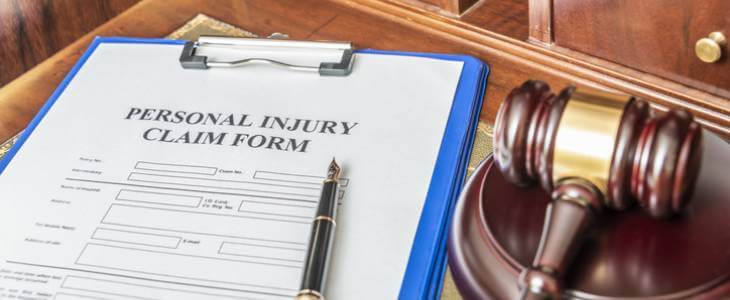
Personal injury claim form

How Do Pre-Existing Conditions Affect Personal Injury Claims?

Pre-existing conditions are medical issues that existed prior to a personal injury incident.  If you happen to have had a pre-existing condition before a personal injury incident occurred, the defendant might argue that your current pain or disability is due more to your previous condition than the incident in question. This is a way of trying to reduce the amount they would owe you in damages. 

While pre-existing conditions can complicate a personal injury case, it should not disqualify you from seeking compensation. The strategy to employ is to demonstrate the connection between the incident and how it made your pre-existing condition worse. Attorneys and insurance companies must distinguish between injuries related to the incident and symptoms arising from pre-existing conditions. This distinction plays a vital role in evaluating claims, calculating compensations, and negotiating settlements. Understanding the complexities of cases involving pre-existing conditions is essential for a fair assessment of these types of personal injury cases.

Here are some factors to consider as to how pre-existing conditions can impact a personal injury case in Pennsylvania:

  • Disclosure: It is important to disclose any pre-existing conditions during a personal injury case. If you fail to disclose these conditions and they are later discovered, it could severely undermine your credibility and the strength of your case.
  • Complications in Determining New Injuries: If a person has a pre-existing condition, it can be challenging to determine the extent to which a new injury, caused by an accident or incident, exacerbates that pre-existing condition. This can be a point of contention when calculating damages.
  • The “Eggshell Plaintiff” Rule: Pennsylvania, like many states, follows the “eggshell plaintiff” doctrine. This principle means that a defendant takes a plaintiff as they find them. If a person with a pre-existing condition is more susceptible to injury and suffers more severe harm than an average person would, the defendant is still liable for the full extent of the injuries caused.
  • Impact on Damage Awards: While the eggshell plaintiff rule applies, the presence of a pre-existing condition can still complicate the calculation of damages. It may require detailed medical testimony to differentiate the new injuries from the preexisting conditions and to establish how much the incident has exacerbated the individual’s existing condition.
  • Insurance Company Scrutiny: Insurance companies often scrutinize claims involving pre-existing conditions more closely. They may argue that the injuries claimed are not due to the incident but are rather the result of pre-existing conditions.
  • Necessity of Medical Evidence: In cases involving pre-existing conditions, it is crucial to have comprehensive medical records and expert testimony. This evidence can help in proving that the accident worsened the pre-existing condition or caused new injuries.
  • Negotiation and Litigation: Claims with pre-existing conditions often require more intensive negotiation and, potentially, litigation, as they are typically more complex than claims without such conditions.
  • Limitations and Exclusions: In some cases, insurance policies may have limitations or exclusions related to pre-existing conditions. This could affect the amount that the insurance company is willing to pay out.
  • Statute of Limitations: Like all personal injury claims, those involving pre-existing conditions are subject to a statute of limitations for filing a claim. In Pennsylvania, this is generally two years from the date of the injury.

Each personal injury case is unique, especially when pre-existing conditions are involved. Individuals in such situations should consult with an experienced personal injury attorney who can provide guidance specific to their case. The law firm of Cooper Schall & Levy can help differentiate between injuries caused by the accident and the pre-existing condition and advocate to make sure that you receive the appropriate compensation.

Family gathered around a holiday table

How High Is the Risk of Injury During the Holidays?

The winter holiday season is a time for people to gather together and enjoy the various festivities. Despite it being a time for joy and celebration, this particular time of year comes with its own set of risks and potential injuries. Some of the most common risks around the holiday arise from the activities, decorations, and even the weather conditions this time of year.

Holiday-Related Activities and Injuries

  • Alcohol-Related Injuries: Celebrations often involve alcohol, which can increase the risk of accidents, including car accidents and falls. Celebrations that involve serving alcohol mean that hosts have specific legal responsibilities to ensure the safety of their guests. This responsibility falls under the Social Host Liability or Dram Shop Liability laws.
    While Pennsylvania does not consider house parties that feature alcohol as a dram shop, these types of parties may involve a social host liability issue. The hosts of private parties are not held to the same standard as a business serving alcohol, but social host liability does come into play if anyone under the age of 21 consumes alcohol at the event. If the intoxicated minor leaves the party and then causes an accident, the host who knowingly provided the alcohol can be held legally responsible. As a host, it is your duty to prevent minors from accessing alcohol on your property or at your event. If minors do drink at your gathering, you may be subject to both civil and criminal liability as a result of injuries from the minor’s intoxication and fines or jail time for serving a minor.
    If you are serving adult guests at a party in your home, you may have a moral responsibility to ensure that individuals do not drink excessively or on an empty stomach, but the burden would not fall on you as host if an adult gets into an accident as a result of drinking too much in your home. The state’s current legislation protects social hosts from being held responsible for damages inflicted by an intoxicated person, so long as the person who caused the damage is over the age of 21.
  •  Accidents As A Result of Slips and Falls:  Decorating for the holidays often involves climbing ladders to string lights or hanging ornaments, which can lead to falls. These falls can result in a range of injuries, from minor bruises to more serious injuries like fractures or concussions. Slip and fall accidents can also occur more often during the holidays due to icy conditions, wet floors in stores, or tripping hazards from holiday decorations lying around on the floors of homes. Property owners might be liable if they fail to maintain safe conditions or warn of potential hazards.
  • Car Accidents: The holiday season often sees an increase in car accidents due to factors like increased travel, winter weather conditions, and, unfortunately, drunk driving after holiday parties. Drivers at fault can be held liable for injuries caused in such accidents. 
  • Cold Weather Injuries: In many places, the holiday season corresponds with colder weather, leading to risks like hypothermia, frostbite, or injuries from slippery surfaces.
  • Product Liability and Toy-Related Injuries: For children, new toys, especially those not age-appropriate, can pose choking hazards or lead to other injuries. Gifts and holiday products can sometimes be defective or dangerous, leading to injuries. If a product is poorly designed, manufactured, or lacks proper warnings, the manufacturer or seller could be liable under product liability laws.
  • Burn and Electric Shock Injuries: With the increased use of candles, fireplaces, and cooking, there is an increased risk of burns during the holiday season. This includes burns from cooking, open flames, or hot holiday lights. Injuries involving electricity are possible at this time of year as well as a result of the installation of holiday lights and decorations. Working with electricity can lead to electric shocks if not handled properly. If any injuries sustained result from someone else’s negligence (like a landlord not maintaining fire safety standards), you may have grounds for a personal injury claim.
  • Injuries at Holiday Parties: If you are injured at a holiday party, especially a work-related one, there could be various avenues for claims, including premises liability or workers’ compensation, depending on the circumstances.
  • Dog Bites and Animal Attacks: With more social gatherings, there is increased exposure to pets, which might lead to more animal-related injuries. Pet owners are generally liable for any harm their pets cause.

There is a two-year statute of limitations in Pennsylvania that applies to any civil action in which an individual seeks to recover damages for personal injuries, or for the death of an individual, caused by the wrongful act or negligence of another person. This two-year statute of limitations also applies to product liability cases in the event of a defective product that causes harm around the holiday season.

Hopefully, any injuries will be avoided during the holiday season. However, should an accident unfortunately occur during this time of year, it is advisable to consult with an attorney who can help you determine if you should pursue any type of claim.  The attorneys at Cooper Schall & Levy are experienced in personal injury law and can help you if you need to take legal action as a result of the festivities surrounding the holidays.

Black lab dog with teeth showing

How an Attorney Can Assist in Your Dog Bite Case

Dogs can provide a constant source of unconditional love for their owners.  However, an individual’s pet or the family pet can be a potential source of injury if the dog is not secured properly while outside the home or proves to be dangerous to individuals other than the owner. An attorney experienced in personal injury cases can play a crucial role in assisting a victim of a dog bite case.

Ways an Attorney Can Help You in a Dog Bite Case

  • Initial Consultation/Case Evaluation and Investigation: The attorney will first gather detailed information about the dog bite incident, including the circumstances, location, and parties involved. The attorney can assist in collecting evidence, such as medical reports, witness statements, and photographs of injuries. Medical records should be obtained to ensure the victim receives proper medical treatment and that all injuries are documented. It is advisable to assess any future medical needs or long-term impacts of the injury. At this time you should also identify who the owner of the dog is, as well as any past incidents involving the dog.
    • Insurance Negotiations: If you or someone close to you has been bitten by a dog and has suffered injuries, you might want to retain an attorney to handle the communications and negotiations with the homeowner’s insurance company. An attorney can also assist you in securing a fair settlement for medical costs, lost wages, pain and suffering, and other damages.
  • Help with Understanding Pennsylvania Dog Bite Laws: An attorney can provide legal advice on the rights and options available to the victim based on Pennsylvania’s dog bite laws.
    1. Pennsylvania’s Dog Confinement Law– This law requires owners and keepers to have reasonable control over their dogs at all times. The law also requires owners to confine their dogs on their premises and restrain their dogs with a collar, chain, or other device to prevent straying. Dog bite victims who prove that a dog owner violated Pennsylvania’s confinement statute may recover under a theory of “negligence per se.” In many states, when a defendant violates a safety statute, regulation, or municipal ordinance, and someone else is hurt as a result, an inference of negligence is raised. The doctrine that permits this inference is referred to as “negligence per se,” and the doctrine can make it easier for the victim to recover damages. 
    2. Strict Liability vs. Negligence: Pennsylvania has a mixed approach when it comes to dog bites, with strict liability for medical and other expenses, and the possibility of proving negligence for other damages. In some cases, the victim may be able to recover compensation only for medical costs, while in other cases the full range of damages may be available (present and future medical bills, lost wages for time spent off work, pain and suffering, emotional distress, etc.). Whether full damages are available depends on whether the injuries were severe. Examples of severe damages might include injuries requiring surgery or broken bones. Also, full damages may be available if the victim can prove that the owner was negligent or knew that the animal had a dangerous propensity. 
    3. Dangerous Dog Statute: The Dangerous Dog Statute in Pennsylvania is a set of laws designed to regulate the ownership and control of dogs that have been classified as “dangerous.” A dog may be considered dangerous in Pennsylvania if it has inflicted severe injury on a human without provocation, killed or severely injured another domestic animal while off the owner’s property, or has a history of attacking people or domestic animals without provocation. Under this statute, owners of a dangerous dog must meet specific requirements, such as registering the dog, using a proper leash and muzzle, obtaining a special license, and maintaining liability insurance. The law also imposes penalties for non-compliance and outlines the legal process for declaring a dog dangerous.
      If a person has been injured by a dog classified as dangerous, an attorney can help them seek compensation for their injuries. Conversely, if a dog owner is facing a lawsuit because their dog is accused of being dangerous, an attorney can represent the owner in legal proceedings. The lawyer can present evidence and arguments to potentially prevent the dog from being classified as dangerous or to minimize the restrictions and penalties imposed. The attorney can also provide guidance to the dog owner on how to avoid further legal issues and help to ensure the safety of the community.
  • Settlement Negotiations and Litigation Assistance: An attorney can negotiate on behalf of an injured party or a  dog owner to reach settlements outside of court, if appropriate. If a settlement cannot be reached, a personal injury attorney can file a lawsuit on behalf of the victim and represent the victim in court by presenting evidence and arguing the case for the injured individual. The attorney will strive for a resolution that provides adequate compensation, as well as assist in the collection and disbursement of settlement funds.

Legal assistance is crucial in these situations as the laws can be complex, and the stakes are high for both the victim of a dangerous dog, as well as the dog owner. The law firm of Cooper Schall & Levy has skilled personal injury attorneys who can help you navigate the legal complexities of a dog bite case in Pennsylvania. They can ensure that the victim’s rights are protected and they receive the compensation they deserve.

Doctor holding spinal x-ray

Common Accidents that Lead to Spinal Cord Injuries

The spine is a complex network of discs, bones, and nerves. It plays an integral role in our mobility and ability to function in everyday life. A spinal cord injury can be debilitating on a number of levels. It can be painful. It can restrict movement. It can completely alter your ability to perform the activities of daily life. Unfortunately, there are a number of common accidents that often lead to spinal cord injuries. Let’s take a look at these accident types here.

Common Accidents that Lead to Spinal Cord Injuries

Slip, trip, and falls can often lead to spinal cord injuries. In fact, the Centers for Disease Control and Prevention (CDC) reports that millions of people receive emergency room treatment every year for fall-related injuries. While the risk of a fall may increase with age, none of us are immune from this type of accident or the resulting injuries that can be sustained. Even the most seemingly small and innocuous trip can result in serious injury to the spine depending on things such as body positioning and the nature of the trip. Slip and falls happen for a number of reasons including:

In many instances, especially falls from heights, the lower back ends up absorbing the brunt of the impact. This, in turn, can lead to a spinal cord injury. These injuries can be severe depending on the impact of the fall. If you have any preexisting spinal cord conditions, this can also make the injury much worse.

Motor vehicle accidents are another common culprit for spinal cord injuries. Sudden impact and pressure placed on the body can have a number of adverse consequences, spinal cord injuries included. In some motor vehicle accidents, a vehicle occupant may also experience a bend or twist to the spine leading to further damage to the spinal cord and the surrounding nerves and muscles.

Accidents in sports and recreational activities also commonly lead to spinal cord injuries. While many contact sports, such as football, are cited for spinal cord injuries other no-contact sports can also lead to accidents that cause spinal cord injury. The spine can be at particular risk of injury in sports that are highly active. This can include everything from diving to skiing, to gymnastics. The fact is that spinal cord damage is common in sports-related accidents. 

Philadelphia Personal Injury Attorneys

Regardless of the accident type, if you have injured your spinal cord in an accident caused by the negligence of someone else, then you can pursue compensation from the at fault party to cover your losses. You can count on the trusted personal injury team at Cooper, Schall & Levy to fight for your legal right to recover full and fair compensation for the harm you have suffered. Contact us today.

Injured woman on the phone and computer

Can I Still Sue If I Signed a Waiver?

It is likely that you have been asked to sign a liability waiver or a release waiver at some point in time. It may have been for participation in a sports league or some other activity. You may have just signed and not have given it much thought. This is what most people do. If you, however, were injured after signing a waiver, however, your thoughts may then turn to the waiver you previously signed. Did you waive your right to pursue compensation for the harm you have suffered? Do you simply have to take the hit and pay for all of your damages on your own? Let’s take a look at your rights after you sign a waiver.

Can I Still Sue If I Signed a Waiver?

Waivers come standard at many sports facilities, theme parks, and other frequented locations. They are usually standard forms containing boilerplate language. If you want to participate in the activity or enter the location, you need to sign it first. So, you sign the waiver and go on your way. These waivers, however, usually place limitations on a person’s ability to pursue legal action if they sustain injury while on the location or participating in the specified activity. If you sign a waiver, does that mean you cannot pursue any legal action in the event that you are subsequently injured? The answer is: not necessarily.

While signing a waiver can limit an injured person’s legal options, it does not necessarily act as a total bar to filing a personal injury claim for harm sustained. If you have been injured after signing a waiver, do not give up. Explore the legal options that may be available to you. There is still a chance that you can pursue legal action for the injuries you have suffered due to the negligence of someone else.

You see, a waiver does not prevent an injury victim from pursuing legal recourse in every situation. It is not uncommon, for instance, for a waiver to turn out to be legally invalid. There are specific legal requirements that a waiver must be in compliance with in order to be valid. A waiver’s language must be clear and specific. There cannot be ambiguous language or be difficult to understand. If this is not the case, it is likely that the waiver will be invalidated. In other situations, your injury may have been caused by a party who was not subject to protection under the waiver. Other times, the waiver may have been signed by a waiver and found invalid.

Even if a valid waiver was properly executed, an injury victim may still be able to pursue legal action. In Pennsylvania, waivers do not protect a party who is found to have been grossly negligent or reckless and, as a result, caused another party injury. What’s the difference between negligence and gross negligence? In order to establish negligence, you must be able to prove that an entity had a legal duty towards you, they failed to uphold that duty, and their failure to uphold their duty caused you injury. With gross negligence, you must be able to prove all of the elements of negligence and you also must be able to prove that the negligent party’s conduct showed a complete disregard for your safety and well-being.

Philadelphia Personal Injury Attorneys

Injured after you signed a waiver? Do not give up! Talk to the dedicated personal injury attorneys at Cooper, Schall & Levy about the legal options you may still have to pursue full and fair monetary recovery. Contact us today.

Car speeding down the road

Stay Safe Against the Rise in Personal Injury Risks this Summer

Schools out for summer! Yes, the joy of summer is the stuff of classic songs and treasured memories. The weather is beautiful. People are taking vacations and celebrating. It really is a magical time. This summer season, make sure that the good times keep rolling by being aware of those common summertime personal injury dangers and how to minimize risk of injuries.

Stay Safe Against the Rise in Personal Injury Risks this Summer

While summertime is associated with beaches, barbecues, and travel, did you also know that the summer season traditionally proves to show steep increases in the occurrences of personal injury incidences and claims? Yes, nothing can cut your summertime fun short like being injured in an accident, but it happens all too often. Here are some of the most commonly occurring summertime accidents and how you can help you and your loved ones stay safe this season.

First of all, car accidents tend to be a big problem in the summertime. In fact, according to the National Highway Traffic Safety Administration (NHTSA), car accidents tend to be a bigger problem in the summertime than at any other time of year with the timeframe between Memorial Day and Labor Day showing a peak in automobile accidents across the U.S. The increase in car accidents during the summer is likely due to a number of factors, including:

  • Increase in road congestion
  • Increase in the number of teen drivers
  • Increase in construction
  • Increase in number of those impaired by alcohol on the road
  • Increase in the number of drivers on vacation and unfamiliar with the area
  • Excessive heat leading to driver dehydration and fatigue

While you are out and about this summer, remember to stay hydrated, never drink and drive, and become as familiar with your driving plans as possible. Also, be sure that your car is properly maintained. Good tires and windshield wipers, for instance, can be critical in safely navigating in summer storms.

There are also increases in the number of bike and pedestrian accidents. Of course, with the nice weather, more people will be out walking and riding their bikes. Overall, the increase in the number of people that are out and about on foot, on bike, or in their car, is likely to be a big part of the increase in the number of accidents occurring. If you are going out for a walk or a bike ride this summer, be sure to remain mindful of your surroundings. Avoid looking at your phone and engaging in other distractions, like listening to music as you go. Being able to see and hear around you can be critical in avoiding accidents. Also, be sure you are equipped with proper safety gear when you are on your bike. Helmets, for instance, can help prevent serious head injuries if you are involved in a crash.

Philadelphia Personal Injury Attorneys

If your summer fun has been cut short by being injured in an accident, you can count on the team at Cooper, Schall & Levy to help you pursue monetary compensation for the harm you have suffered. Contact us today.

Woman filling out personal injury legal documents

Pennsylvania’s Limited Tort Serious Injury Threshold

Accident and insurance laws are complicated and many people like to think knowing about them is really on an “as needed” basis. It’s true. Most people do not think about their car insurance coverage and what it means if they get into an accident until they actually get into an accident. Whether you have recently been in an accident, are in the process of buying auto insurance, or are interested in Pennsylvania personal injury law, we are here to go over some of the basics. In particular, we want to focus on a discussion of Pennsylvania’s limited tort serious injury threshold and what it means for you if you ever get into a car accident.

Pennsylvania’s Limited Tort Serious Injury Threshold

When you go to buy auto insurance in Pennsylvania, you have the choice to carry either full or limited tort insurance. Limited tort insurance coverage is more affordable and, because of this, it is the more popular choice. The catch is, however, that, if you are in an accident, you cannot recover pain and suffering damages if you have limited tort coverage. There is one exception to this and that is if you, the accident victim, have sustained a serious injury in the accident. If you can meet the serious injury threshold, then you will be able to go after pain and suffering damages regardless of having limited tort coverage.

What does it mean to have a serious injury? Well, that is a very good question without one set answer. Pennsylvania law is extremely vague on the topic. You can get a sense of what may be considered a serious injury based on some examples of other conditions that have been considered to be serious injuries. Some serious injuries or impairments that have qualified to surmount the limited tort serious injury threshold include:

  • Amputation
  • Blindness
  • Traumatic brain injuries
  • Head injuries (including concussions)
  • Paralysis
  • Hearing loss
  • Broken bones
  • Herniated discs

You see, these are injuries that could objectively be considered to be serious injuries. There are, of course, a number of other injuries that may not be so clearly considered to be serious. Consider for example, a bulging disc in the cervical or lumbar spine. This can be a painful injury with debilitating impacts on a person’s life. However, there could be a robust discussion as to whether or not it should be considered a serious injury and, thus, overcome the serious injury threshold.

When an injury falls into the gray area between serious and potentially not serious, evidence to support that the injury has resulted in a serious impairment of a bodily function will be critical in supporting your claim. The injury victim’s testimony will, of course, be important. Beyond that, however, things like expert testimony from doctors and medical professionals in the relevant fields can also be essential to the claim’s success. Extensive medical reports and diagnostic test results are also likely to play a pivotal role.

Philadelphia Personal Injury Attorneys

Injured in an accident? Let the team at Cooper, Schall & Levy untangle the legal and insurance webs you can fall into afterwards to get you the compensation you deserve. Contact us today.

Client with personal injury attorney

What is a Structured Settlement?

Waiting for the settlement phase of your injury claim to roll around can feel like forever. For some, it never comes and litigation may be necessary. For most personal injury claimants, however, the claim will be resolved in a settlement. When the settlement phase finally arrives, you should be ready and have as much information as you can relating to the settlement process. There may also be options for how you receive your settlement. For instance, have you ever heard of a structured settlement?

What is a Structured Settlement?

When receiving a personal injury settlement, you have two options. You could take the settlement as a lump sum in the form of a check for the full settlement amount. The second option is to take the structured settlement amount and invest a portion or all of your settlement into a structured annuity that would pay out funds over time at a guaranteed interest rate.

Opting for investing your settlement in an annuity means you are entering into a legal contract with a life insurance company. You make a lump sum payment to the insurance company upfront. The insurance company then makes regular monetary distributions to you at the guaranteed interest rate over a certain period of time.

Structured settlements have been favored for their benefits for a number of years. In fact, back in 1982, Congress passed The Periodic Payment Settlement Act of 1982. The Act was a formal recognition of the government encouraging the use of structured settlements. After the passing of the Act, modifications were made to the Internal Revenue Code to exempt personal injury settlement proceeds from taxation if they were invested in a qualified structured settlement annuity. The fact that structured settlements are income tax-free is a big benefit. Personal injury settlements paid out as lump sums are generally subject to taxation. The guaranteed interest earned on an annuity, however, is tax-free. So, if you were going to invest any portion of your settlement, this might be the right route to take. Lump sum settlements that are then, in turn, invested in something like stocks will have interest earned on the investment taxed.

Another benefit of a structured settlement is a certain level of asset protection. Investing in annuities provides protection from other people being able to access and make claims against your settlement proceeds. In addition to preventing others from gaining access to the settlement funds invested, annuities also help ease the burden of managing the settlement funds that would otherwise fall on your shoulders.

You should, of course, talk to your attorney to see if a structured settlement is right for you. Talk about the potential benefits and implications of entering into a structured settlement. Not all structured settlements are the same and you are likely to have some options as to things such as how much you want to invest and the timing of the payouts you would receive.

Philadelphia Personal Injury Attorneys

The dedicated personal injury team at Cooper, Schall & Levy will fight for you. We tirelessly purse full and fair compensation for personal injury victims. Contact us today.