
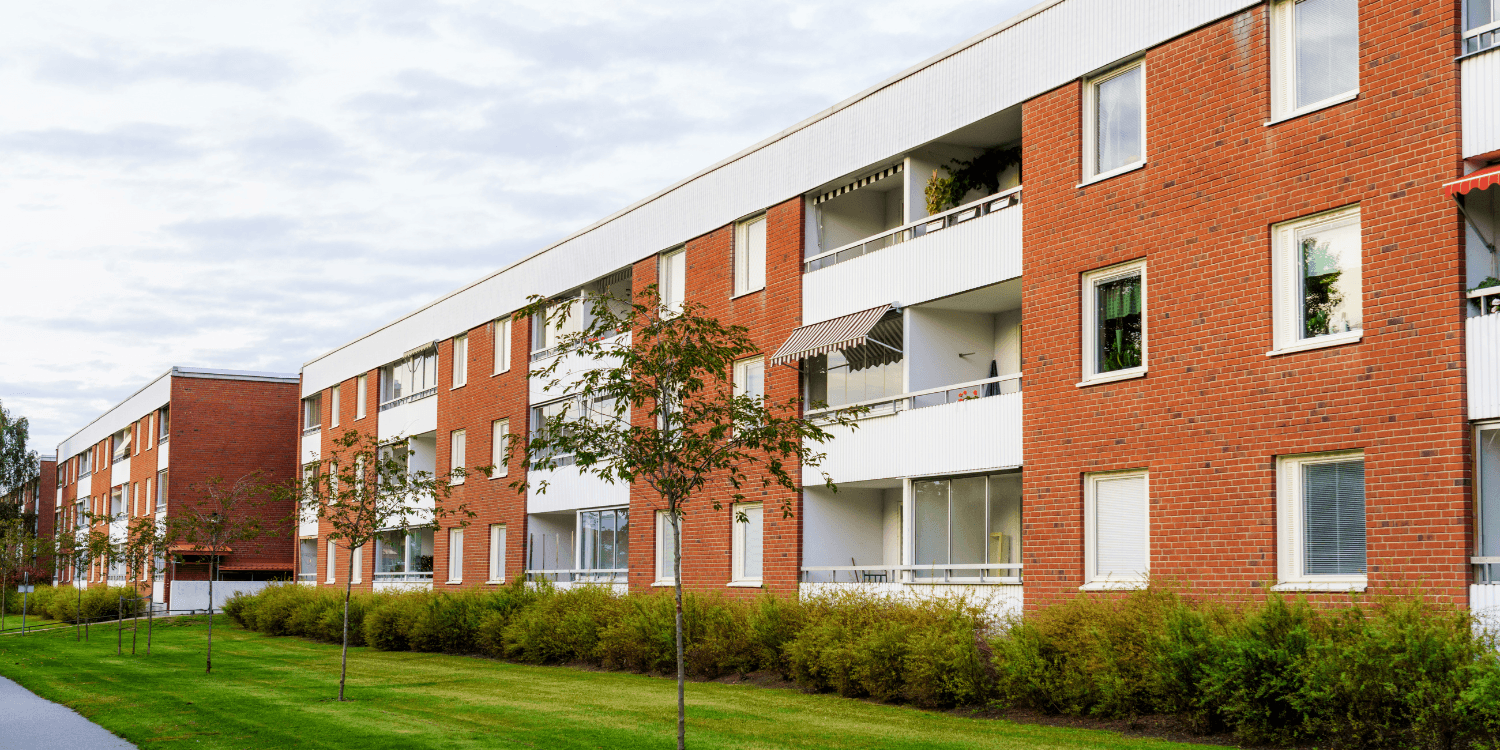
Apartment buildings are supposed to be reasonably safe for tenants, visitors, delivery drivers, maintenance workers, and guests. When a landlord or property manager fails to fix dangerous conditions, serious injuries can happen in hallways, stairwells, sidewalks, parking areas, elevators, laundry rooms, entrances, and other shared spaces.
In Pennsylvania, landlord liability is highly fact-specific. A claim may depend on whether the landlord controlled the area where the injury occurred, whether the landlord knew or should have known about the hazard, and whether reasonable steps were taken to repair the problem or warn people about it.
Common Apartment Building Hazards
Many apartment building injuries happen because of conditions that should have been repaired, cleaned, secured, or inspected. Common hazards include:
- Broken or uneven stairs
- Loose handrails
- Wet or slippery floors
- Poor lighting in hallways, stairwells, parking lots, or entrances
- Ice or snow that was not properly treated
- Damaged sidewalks or walkways
- Torn carpeting or uneven flooring
- Broken locks or unsecured entrances
- Defective elevators
- Falling ceiling tiles, debris, or building materials
- Exposed wiring or unsafe electrical conditions
- Neglected maintenance in shared areas
Some hazards develop suddenly. Others exist for days, weeks, or months before someone is injured. The longer a dangerous condition remains unaddressed, the more important it becomes to determine whether the landlord or property manager should have known about it.
Injuries That Can Happen in Apartment Buildings
Apartment building accidents can cause more than minor bruises. Depending on the hazard, victims may suffer:
- Broken bones
- Head injuries
- Neck and back injuries
- Spinal cord injuries
- Torn ligaments
- Hip injuries
- Burns
- Cuts or lacerations
- Concussions
- Long-term pain or mobility problems
For older residents, children, and people with existing medical conditions, a fall or building-related injury can be especially serious.
When May a Landlord Be Responsible?
A landlord is not automatically responsible every time someone is injured in an apartment building. However, a landlord may be liable when negligence contributed to the accident.
A claim may be possible if:
- The landlord controlled the area where the injury happened
- The dangerous condition existed long enough that it should have been discovered
- Tenants or visitors previously reported the problem
- Maintenance requests were ignored
- The landlord failed to inspect the property
- Repairs were done poorly or not completed
- The landlord failed to warn people about the danger
- The hazard violated basic safety expectations or property rules
For example, if a tenant repeatedly reports a broken stair and the landlord fails to fix it, an injury caused by that stair may raise a serious liability issue. The same may be true if poor lighting in a hallway, untreated ice near an entrance, or a broken handrail causes someone to fall.
Common Areas vs. Inside an Apartment
One important issue in these cases is where the injury happened.
Landlords are often responsible for maintaining common areas such as:
- Hallways
- Stairwells
- Lobbies
- Parking lots
- Sidewalks
- Shared entrances
- Laundry rooms
- Elevators
- Outdoor walkways
Injuries inside a tenant’s apartment may involve different questions. The claim may depend on whether the landlord knew about the condition, had a duty to repair it, received notice from the tenant, or created the hazard through negligent maintenance.
Because every apartment building injury is different, the lease, maintenance history, inspection records, and prior complaints may all become important.
Evidence That Can Help Support a Claim
Apartment injury claims often depend on proving what the landlord knew, when they knew it, and what they did or failed to do.
Helpful evidence may include:
- Photos or videos of the hazard
- Incident reports
- Maintenance requests
- Emails, texts, or written complaints to the landlord
- Witness statements
- Security camera footage
- Lease documents
- Inspection records
- Prior complaints from other tenants
- Medical records
- Photos showing poor lighting, broken stairs, ice, or other unsafe conditions
It is important to preserve evidence quickly. Landlords may repair the condition after an accident, surveillance footage may be deleted, and witnesses may become harder to reach.
What to Do After an Apartment Building Injury
If you are injured in an apartment building, taking the right steps can help protect your health and your legal rights.
Consider the following:
- Seek medical attention
- Report the incident to the landlord or property manager
- Take photos of the hazard before it is repaired
- Get names and contact information for witnesses
- Save emails, texts, and maintenance requests
- Avoid giving detailed statements to insurance companies
- Speak with an attorney before accepting a settlement
Even if the landlord quickly fixes the problem, that does not erase what happened. Repairs may actually support the need to investigate the condition that existed at the time of the injury.
Contact a Pennsylvania Apartment Injury Lawyer
If you were injured in an apartment building because of unsafe stairs, poor lighting, broken flooring, untreated ice, defective locks, or negligent maintenance, you may have legal options. These cases require a careful review of the property, the hazard, the landlord’s responsibilities, and the evidence showing whether the danger should have been corrected.
The attorneys at Cooper Schall & Levy, P.C. represent injury victims throughout Philadelphia, Pennsylvania, and New Jersey. If a landlord or property manager failed to maintain a safe apartment building and you were seriously injured, contact our office today to discuss your case.