
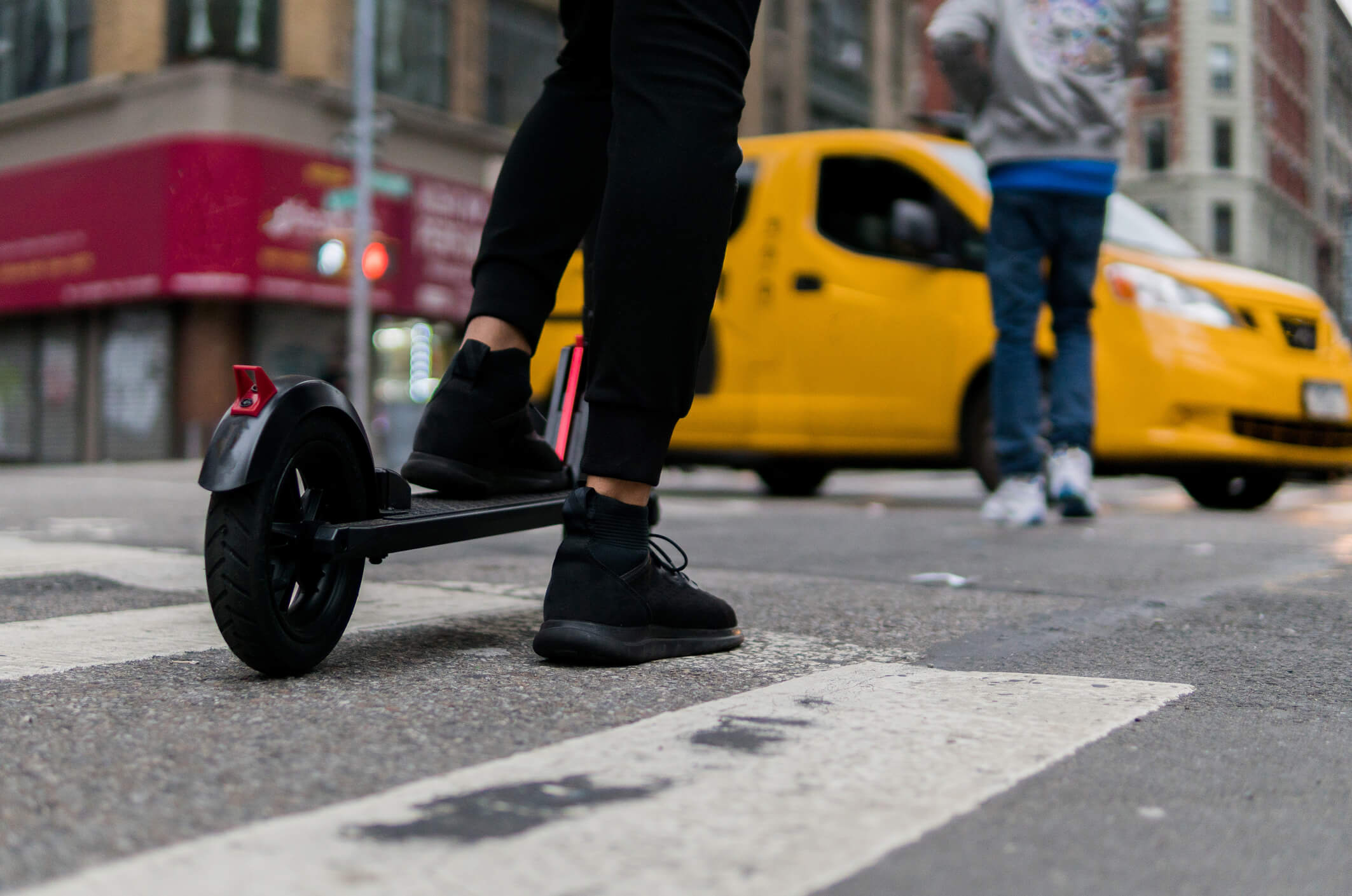
The electric scooter craze has spread across the U.S. Companies, such as Lime and Bird, provided electric scooter sharing opportunities in some major U.S. cities. Unfortunately, there have been many problems with electric scooters. There have been widespread reports of accidents caused by the use and misuse of electric scooters. This has led many local government officials to question the safety of having electronic scooter companies to bring in business.
Currently, the Pennsylvania Department of Transportation has provided guidance stating that electronic scooters are not street legal, but this stance may be in the process of evolving. State lawmakers are considering a bill that would allow e-scooters on streets in the Commonwealth. Philadelphia does not have any electronic scooters, but city officials have expressed concerns about allowing them on city streets and sidewalks.
Is Philadelphia Ready for Electric Scooters?
Electronic scooter-sharing companies let people pay to reserve and ride electric scooters just by using a smartphone app. There isn’t even a need to drop off the scooters at a particular docking location, as they can be left wherever (which has caused problems such as blocked city sidewalks in other areas).
Back in November of 2018, Philadelphia city officials deemed electronic scooters to be classified as “motor vehicles.” This means that they cannot be used on streets or sidewalks because the scooters do not meet the requisite safety and equipment standards. Pennsylvania lawmakers, however, introduced a bill in late February that would start the process for legalizing the use of electronic scooters. Philadelphia city officials have continually expressed objections to this kind of thing. While state lawmakers may be feeling more progressive about allowing the use of electronic scooters, local officials still express continued resistance to the idea.
While some may be resistant to the use of electronic scooters due to safety concerns, city officials could take large steps to help address potential safety issues. For instance, making sure there is quality infrastructure in place to support the use of electronic scooters would be a valuable way to help ensure the safety of riders and others on the road. Putting an infrastructure in place that would do things like physically separate those engaged in different modes of transportation, such as pedestrians, cyclists, and scooter riders, would help to ease some of the major safety concerns that have come up.
Additionally, the city may want to consider having any electronic scooter company require lessons for how to ride and where to ride the scooters. Most are not subject to this kind of requirement and it has resulted in people riding the scooters that do not know how to properly ride and do not understand what the scooter is capable of. Without an understanding of how to safely operate an electronic scooter and how the traffic rules apply to them, people are put in needless danger.
Pennsylvania Injury Attorney
Electronic scooters can be a fun way of getting around town. Unfortunately, the lack of safety measures in many locations that have allowed electronic scooter use has made a potentially fun mode of transportation extremely dangerous. Should Philadelphia ever allow electronic scooters, we hope that riders and others on the roads and sidewalks stay safe. If you are ever injured on the roads or sidewalks of Philadelphia, contact the dedicated personal injury attorneys at Cooper Schall & Levy. We are here for you. Contact us today.


 Our dangerous playground attorneys successfully proved that the School District of Philadelphia and the manufacturer of the sliding board were both responsible for the partial amputation of our client’s pinky finger. The sliding board was not constructed according to regulations and the school district turned a blind eye when its’ employees tried to protect young students from a dangerous opening by using tape to cover the areas where the metal had split. Through the use of a highly qualified engineer and the aggressive handling of this case, our young client was awarded $500,000.00.
 Door Malfunction causing neck injury to shopper! CSL engineer determines malfunction was due to inadequate maintenance. CSL wins $919,953.00 for client. If you want to have the best chance to win your case, call Cooper Schall and Levy at 215-561-3313 or google www.cooperschallandlevy.com