Cooper Schall & Levy discusses complications caused by retained surgical instruments.

Complications Caused by Retained Surgical Instruments

Going into surgery is a scary experience. The thought of a long recovery can also be overwhelming. Unfortunately, surgery is not the end of the scary experience for some. In certain instances, medical instruments used in the surgery are left inside the person who was operated on. The retained surgical instrument can have serious implications for the health and well-being of the patient. Retained surgical instruments are frequently the basis for medical malpractice claims.

What are some retained surgical instruments?

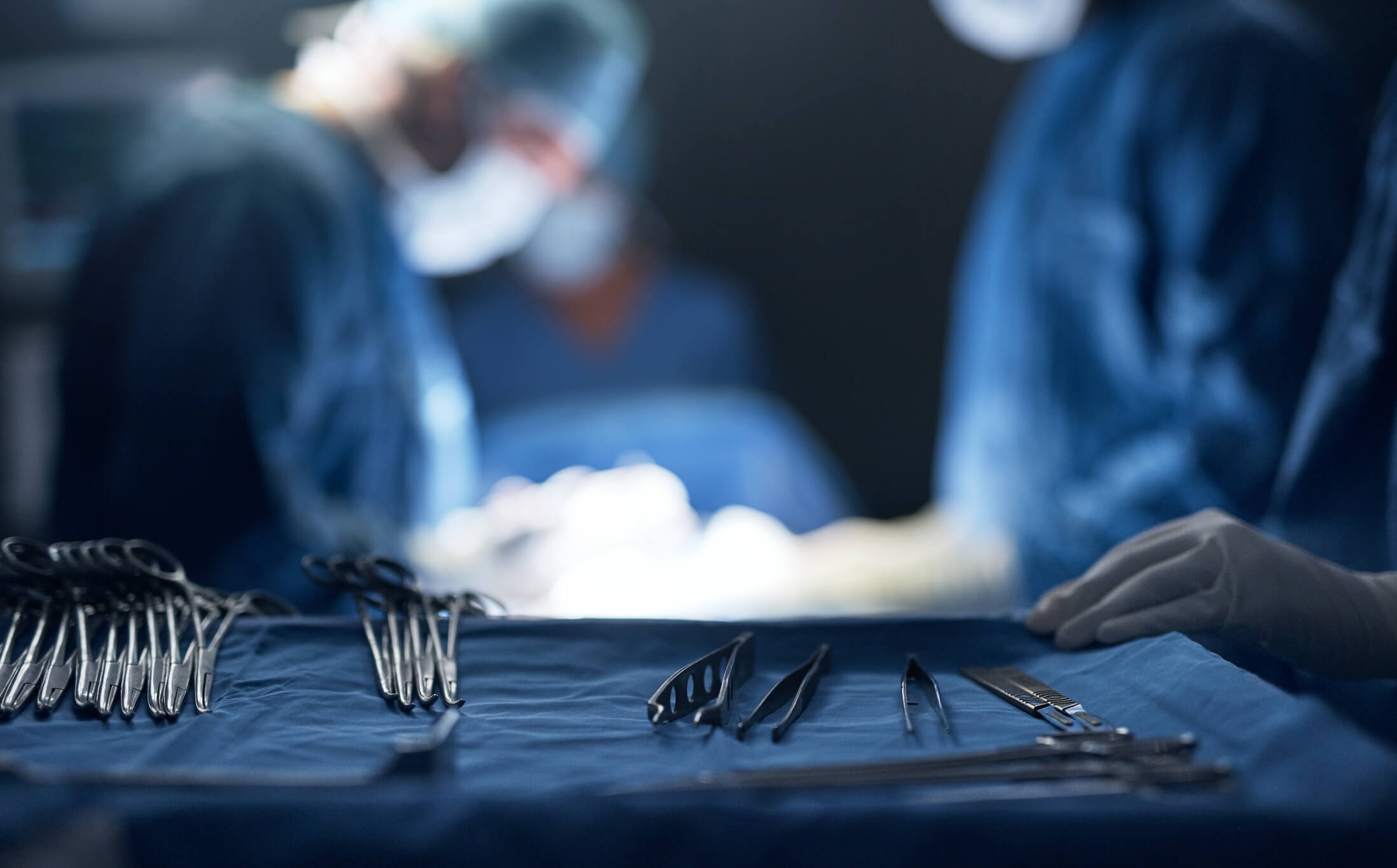
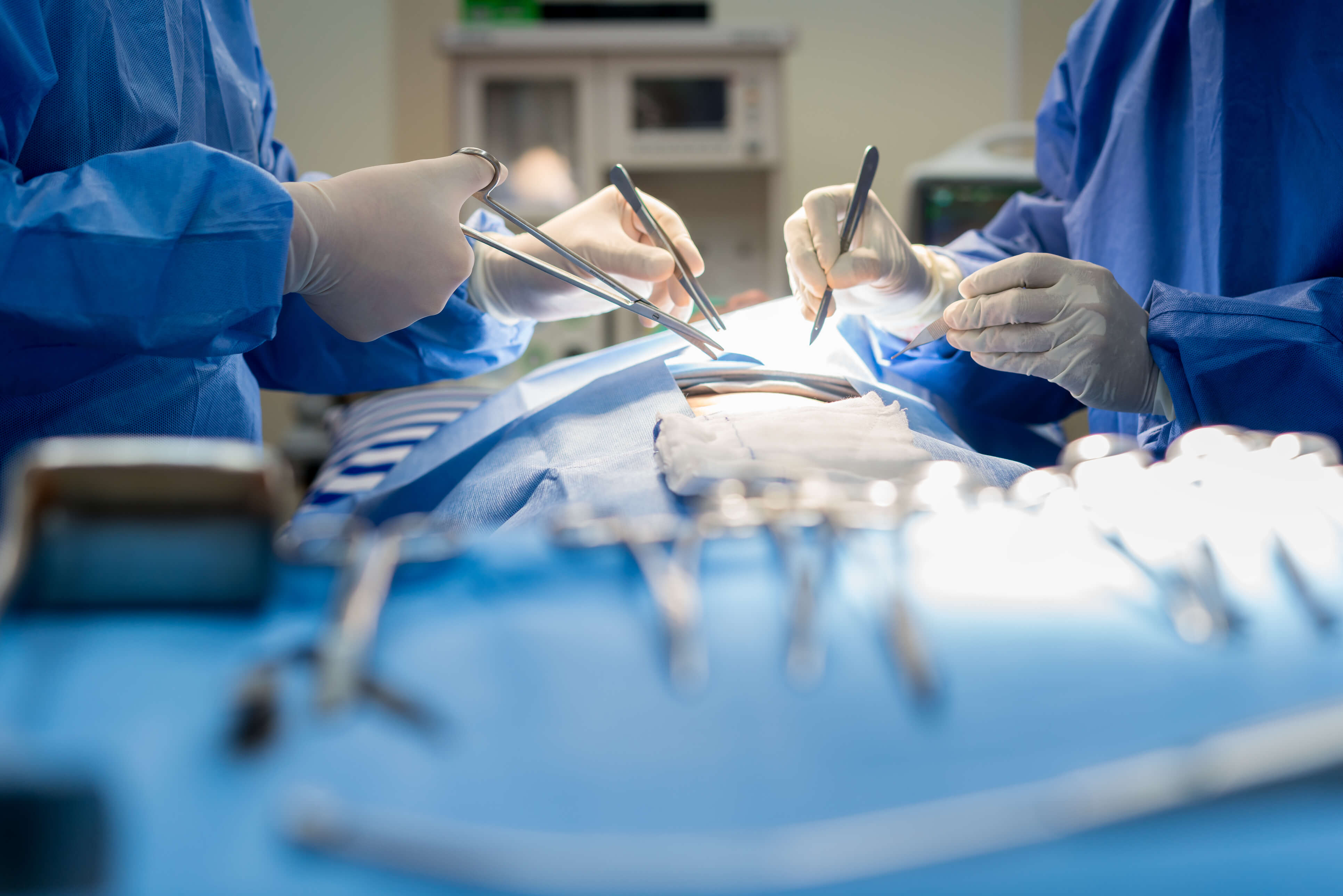
Think about all of the tools and instruments that are used in surgeries. Without exercising the proper level of care, any of these things could be left behind in the surgical patient. Examples of retained surgical instruments include:

  • Clamps
  • Forceps
  • Gauze
  • Knife blades
  • Needles
  • Safety pins
  • Scalpels
  • Scissors
  • Scopes
  • Sponge
  • Towel
  • Tweezers

Depending on the instrument left behind and where it was left behind, there can be some serious complications associated with the retained surgical instrument. Sometimes, the complications can prove fatal. Other times, the side effects may be mild and the person will not suffer any health complications. However, even if no serious health complications present themselves right away, they may develop and become very serious. For instance, surgical sponges may rot when left inside the surgical patient. This can result in pus and bacteria building up causing life-threatening ulceration. Ulcerations can rupture. The rupturing leads to the infection spreading through the body, resulting in widespread infections.

Sharp objects, such as a blade, needle or scalpel, can end up puncturing organs or blood vessels leading to internal bleeding. The internal bleeding may go unnoticed for too long. Failure to promptly address the internal bleeding can result in an infection, leading to sepsis. Additionally, the internal bleeding may lead to a serious iron deficiency. The bleeding may even prove fatal.

When a retained surgical instrument has been found, additional surgery is usually required. This means more costs, health consequences, and recovery time for the patient. In certain cases, a retained surgical instrument becomes fused with internal body tissues. These tissues and organs will usually need to be removed. In addition to the removal of the retained item, the complications that resulted from the retained surgical instrument will need to be addressed. Any infections will need to be cleared up. Damage caused by the instrument will need to be repaired. 

The patient, in addition to more surgery, may need IV medications and fluids. In some cases, a blood transfusion will be necessary. The patient may also need follow-up care in the form of physical therapy. Even after a retained surgical instrument has been located and addressed, the patient may be left with a permanent disability.

Pennsylvania Medical Malpractice Attorneys

Surgery is scary, it is expensive and it can be a major disruption in your life. Think about those who continue to suffer after all of this due to a retained surgical instrument. The pain, suffering, and the massive financial strain that a victim of this kind of medical malpractice has to cover is tough to fully comprehend. That is why the trusted medical malpractice attorneys at Cooper Schall & Levy relentlessly fight for our clients. They have suffered more than anyone should and we are here to help them move forward. Contact us today.

Cooper Schall & Levy discuss what constitutes as surgical malpractice.

Surgical Malpractice

A Johns Hopkins malpractice study concluded that between the years of 1990 and 2010, approximately 10,000 preventable surgical errors occurred in the U.S. While there are risks to every surgery, some are preventable. These preventable surgical errors often lead to serious and lasting health problems. If the damage that was caused by a surgical error, from either negligent care on the part of your treating medical providers or even systemic negligence on the part of the facility where you were treated, you may have the ability to bring a medical malpractice claim to recoup your losses.

What Constitutes Surgical Malpractice?

Under Pennsylvania law, surgical malpractice occurs when a healthcare professional acts negligently by violating the generally accepted standard of care used by other healthcare professionals in the same field when the surgery was performed. The negligence must be the cause of the patient’s injuries. The negligent act or inaction may be the result of a multitude of factors. Some of the most common factors that contribute to the occurrence of surgical errors include:

  • Technical incompetence or inexperience of the surgeon
  • Lack of communication between the surgeon and other medical professionals or the patient
  • Surgeon fatigue
  • Distraction of the surgeon or other medical professionals
  • Performance of unnecessary surgery

Some examples of surgical errors are:

  • Leaving surgical instruments in the body after surgery (may include things like retractors or sponges)
  • Nicked or punctured internal organs
  • Infection and Sepsis caused by use of unsanitary surgical instruments
  • Nerve damage
  • Medication errors
  • Operation of the wrong surgical site
  • Performing the wrong surgical procedure
  • Performing the surgery on the wrong patient
  • Anesthesia administration errors

It is scary to think about what kind of consequences these errors may have on a patient. Some may even prove fatal. Others may still have indefinite health consequences for the victim. If the injury or health problems suffered by the patient were the result of negligence on behalf of those involved in the surgery such as the surgeon, other healthcare professionals, or the medical institution, you have a right to seek monetary compensation through pursuing a claim for surgical malpractice. If successful in bringing your claim, you will have the right to be compensated for things like:

  • Medical expenses
  • Cost of future medical care
  • Physical therapy
  • Necessary alterations to your lifestyle and home to accommodate any new limitations
  • Past wages
  • Future wages and loss of earning capacity
  • Scarring and disfigurement
  • Emotional distress
  • Pain and suffering
  • Loss of enjoyment of life

Cooper Schall and Levy has recovered millions of dollars in the form of settlements and verdicts to compensate victims of surgical malpractice. 

Pennsylvania Surgical Malpractice Attorneys

Undergoing surgery is a scary endeavor. While often necessary, putting your health and wellbeing in the hands of others in such a major way causes anxiety for many. If your treating medical professionals have violated their duty to you to provide a certain standard of care, and that violation led to you needlessly suffering, you may be able to bring a medical malpractice claim to seek compensation for that which you have lost. At Cooper Schall & Levy, our dedicated medical malpractice attorneys are here to fight for you. Contact us today.

Cooper Schall & Levy discusses admissibility of surgical risks and complications in negligence cases.

Admissibility of Surgical Risks and Complications in Negligence Cases

Personal injury law involves cases where a person has sustained an injury due to the negligence of someone else. One such type of personal injury case is medical malpractice. Medical malpractice looks at whether a doctor or health care professional exercised the necessary level of care when treating the patient and whether a failure to provide the necessary level of care resulted in harm to the patient. There must be evidence presented as to whether the doctor was negligent and whether that negligent resulted in harm to the patient. Some types of evidence are deemed inadmissible while others are allowed. In a medical negligence case heard by the Supreme Court of Pennsylvania Western District, the Court ruled that evidence regarding the risks and complications of surgical procedures can be admissible in negligence cases.

Pennsylvania Supreme Court Rules on Admissibility of Surgical Risks and Complications in Negligence Cases

In the case of Mitchell v. Shikora, the Pennsylvania Supreme Court ruled that the risks and complications associated with surgical procedures are, in fact, admissible in medical negligence cases. The caveat is that the case may not involve a claim for lack of informed consent. In its decision, the Court asserted that while this evidence may not be used to definitively establish or disprove negligence, it may be used to demonstrate to the jury that complications could arise because of a surgical procedure even when there was no negligence involved. Additionally, the Court stated that this type of evidence might help a jury determine the standard of care for the treating doctor and whether the doctor’s conduct deviated from that standard.

This decision reversed the ruling of the Superior Court and reinstated the trial court’s decision which allowed the evidence. The Pennsylvania Supreme Court made it clear that evidence regarding a surgical procedure’s potential risks and complications is admissible not because it would definitively prove or disprove negligence. Instead, the Court pointed out other ways this type of information may be useful to a jury. The Court was concerned that the preclusion of this kind of evidence may lead a jury to wrongly conclude that a physician guarantees a certain outcome from the procedure. Without evidence about known risks and complications, the jury would not be aware of the fact that the plaintiff may have suffered certain harm even if the doctor had fully complied with the requisite standard of care.

Skilled Legal Advocates for Your Medical Malpractice Claim

This type of ruling has the potential to be a hurdle for plaintiffs bringing medical malpractice claims. At Cooper Schall & Levy we are skilled at overcoming such obstacles and are prepared to fight for you and your right to be fully and fairly compensated for the harm you have sustained as a result of medical malpractice. When you are injured and up against a complicated legal system, we will stand by your side. Contact us today.

Cooper, Schall, & Levy discuss how hospital errors are one of the most common causes of death in the US

Hospital Errors

We often go to hospitals and other medical providers when we are at our most vulnerable. We experience health problems and depend on our treating medical professionals to help us get better. Unfortunately, health problems are all too often either exacerbated or new health problems result from seeking medical treatment. A study by Johns Hopkins revealed that over 250,000 people in the United States die each year due to hospital errors. This number puts hospital error as the third leading cause of death on the Centers for Disease Control and Prevention (CDC) official list. Heart disease and cancer still top the list as each resulted in around 600,000 deaths in 2014 alone.

While the Johns Hopkins study asserts that over 250,000 people die annually from hospital errors, other studies put this number at upwards of 450,000. This is a major discrepancy and it is believed that it is one caused, in large part, due to the way the causes of deaths are reported. Physicians, medical examiners, and coroners do not usually report a human error as a cause of death. Usually, the reason a person was seeking medical treatment is listed as the cause of death, not an error in medical treatment. The authors of the Johns Hopkins study advocate that the CDC should change the way death certificate data is collected so that a more accurate review of causes of death can be made.

Hospital Errors Are One of the Most Common Causes of Death in the U.S.

Dr. Makary, one of the doctors who authored the Johns Hopkins study, defines death due to medical error as a death resulting from inadequately skilled staff, a lapse in judgment or care, system defects or a preventable adverse effect of a lapse in care. Medical mistakes that may prove fatal include:

  • Unrecognized surgical complications
  • Mix-ups in doses
  • Mix-ups in medication types
  • Computer breakdowns

Now that the magnitude of the hospital error problem in the U.S. is starting to come to light, people are trying to address the situation by advocating for things like heightened medication safety and better training for pharmacy technicians. In the meantime, patients can take steps to protect themselves as best as possible.

Empowered patients may not be completely immune from hospital errors, but it can significantly reduce risks. Be vigilant in seeking answers from your medical providers. Do things like:

  • Ask questions about the side effects, benefits of treatment, and potential disadvantages of treatment.
  • Seek out a second opinion if you are unsure of your doctor’s approach to a situation.
  • Bring a friend or family member to your appointments with you. Being a patient and processing medical information can be an overwhelming experience. Having another set of ears can not only help verify the information being given to you, but he or she may ask questions that may have slipped past you at the moment.

Dedicated Malpractice Attorney

If you have been harmed due to a lapse in medical care, the dedicated medical malpractice attorneys at Cooper, Schall & Levy are here to advocate for you and your right to full and fair compensation. Contact us today.