
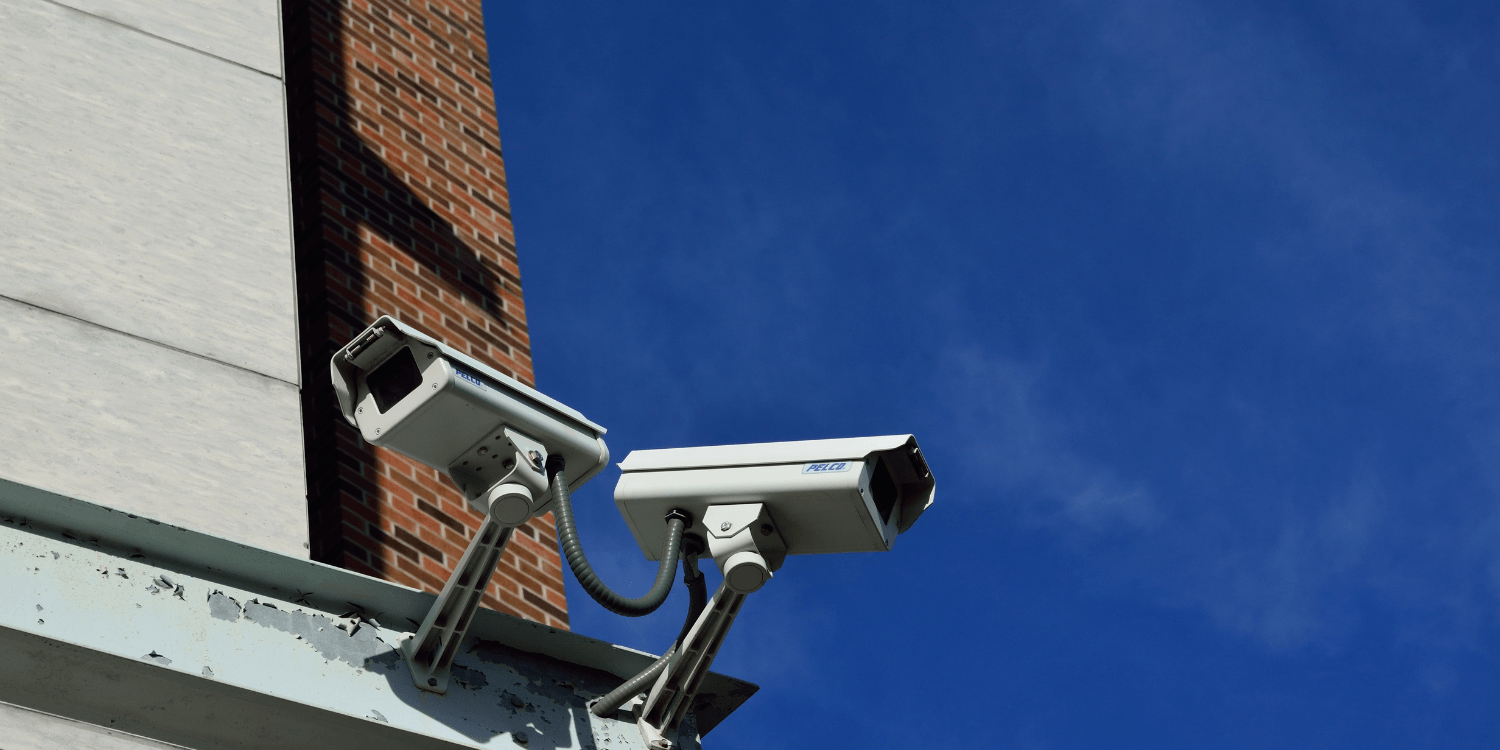
Philadelphia is home to apartment buildings, parking garages, shopping centers, bars, restaurants, hotels, office buildings, and public-facing properties that welcome thousands of people every day. Property owners are not expected to prevent every possible crime, but they may be responsible when poor security creates unsafe conditions that lead to serious injury.
Negligent security claims often arise after assaults, robberies, shootings, stabbings, or other violent incidents that occur on someone else’s property. These cases can be complex because they involve both the criminal act itself and the question of whether the property owner failed to take reasonable steps to protect visitors, tenants, customers, or guests.
What Is a Negligent Security Claim?
A negligent security claim is a type of premises liability case. It generally involves an argument that a property owner, business, landlord, or other responsible party failed to provide reasonable safety measures despite knowing, or having reason to know, that people on the property could be at risk.
These claims may involve locations such as:
- Apartment complexes
- Parking lots and garages
- Hotels and motels
- Bars, restaurants, and nightclubs
- Retail stores and shopping centers
- Office buildings
- Schools or campuses
- Transit areas and public-facing commercial spaces
The key issue is not simply that a crime occurred. The legal question is whether the property owner could have reasonably anticipated the danger and failed to act.
Common Examples of Poor Security
Negligent security cases can involve many different safety failures. Some of the most common include:
- Broken or missing locks
- Poor lighting in stairwells, hallways, parking lots, or entrances
- Lack of working security cameras
- Failure to repair gates, doors, or access-control systems
- No security guards in high-risk areas
- Ignoring prior complaints about threats or suspicious activity
- Failure to respond to repeated criminal incidents on or near the property
- Unsafe building layouts that create hidden or isolated areas
In a city environment like Philadelphia, these issues can become especially dangerous in parking garages, apartment buildings, late-night businesses, and commercial properties with heavy foot traffic.
When Can a Property Owner Be Held Responsible?
Property owners are not automatically liable for every assault or criminal act that happens on their property. However, they may be held responsible when there were warning signs that a dangerous condition existed and they failed to take reasonable precautions.
For example, if an apartment complex had repeated break-ins but failed to repair broken exterior doors, that may support a negligent security claim. If a parking garage had a history of assaults but did not improve lighting, add cameras, or provide security patrols, the property owner’s actions may be questioned.
Factors that may matter include:
- Whether similar incidents happened before
- Whether the property owner received prior complaints
- Whether security equipment was broken or missing
- Whether the area had known safety risks
- Whether reasonable safety measures could have reduced the danger
These cases often require a detailed investigation into the property’s history, maintenance records, security policies, police reports, and surveillance footage.
Serious Injuries Caused by Negligent Security
Negligent security incidents can result in devastating injuries, both physically and emotionally. Victims may suffer:
- Traumatic brain injuries
- Broken bones
- Gunshot or stab wounds
- Spinal cord injuries
- Internal injuries
- Emotional trauma and anxiety
- Long-term disability
- Wrongful death in the most serious cases
Beyond the immediate injury, victims may face medical bills, lost income, ongoing therapy, and a lasting loss of safety and independence.
Evidence That Can Help Support a Claim
Because negligent security cases often involve multiple layers of responsibility, evidence is critical. Important evidence may include:
- Police reports
- Incident reports from the property owner or business
- Security camera footage
- Photos of poor lighting, broken locks, or unsafe areas
- Witness statements
- Prior complaints from tenants, customers, or employees
- Maintenance and repair records
- Records of prior criminal activity on or near the property
This evidence can disappear quickly. Surveillance footage may be deleted, repairs may be made, and witnesses may become harder to locate. Acting promptly can make a significant difference.
What to Do After an Injury Caused by Poor Security
If you or a loved one was injured because of unsafe security conditions, taking the right steps can help protect your health and legal rights:
- Seek immediate medical attention
- Report the incident to police
- Notify the property owner or manager
- Take photos of the area, if it is safe to do so
- Get names and contact information for witnesses
- Avoid giving detailed statements to insurance companies
- Speak with an experienced Philadelphia injury attorney
It is also important not to assume the criminal case is the only legal path available. A negligent security claim is a civil case that focuses on whether a property owner or responsible party failed to provide reasonable safety.
Contact a Philadelphia Negligent Security Lawyer
If you or a loved one was seriously injured because a property owner failed to provide reasonable security, you may have the right to pursue compensation. These cases require careful investigation, strong evidence, and a clear understanding of Pennsylvania premises liability law.
The attorneys at Cooper Schall & Levy, P.C. represent injury victims in Philadelphia and throughout Pennsylvania. If poor lighting, broken locks, lack of security, or ignored safety risks contributed to your injury, contact our office today to discuss your legal options.